SPACECRAFT ARCHITECT · PROGRAMME LEADER · SPACE SYSTEMS & STRATEGY

Architecting systems
for life beyond Earth.

Human spaceflight, deep-space systems, navigation infrastructure and resilient architectures — from flight hardware to the systems that will support sustained human presence beyond Earth.

01Spacecraft
NASA / Goddard Space Flight Center · visual source ↗
Executive Profile

Technical authority.
Strategic vision.
Global reach.

Rania Toukebri
Rania Toukebri Spacecraft Architect · Programme Leader IAF profile ↗

Rania Toukebri is a Tunisian Lead Spacecraft Architect and Programmes Leader working at the intersection of spacecraft engineering, human spaceflight, advanced systems and strategic programme development. Her portfolio spans orbital infrastructure, scientific satellites, exploration systems, human-centred space design and cross-domain technology transfer.

Across her engineering career, she has contributed to major international programmes including Orion / Artemis, Galileo Second Generation, Starlab, JUICE, Hera, Biomass and PLATO. Her work spans spacecraft systems, mission architecture, human spaceflight and complex international programmes, combining deep technical experience with programme leadership and strategic coordination.

Beyond industry programmes, she is active across international scientific, institutional and strategic ecosystems through committee leadership, technical representation, expert evaluation, mentoring with UN Space4Women and thought leadership. Her work connects mission engineering, human-system design, international space strategy and future mobility, with a particular focus on resilience, autonomy, lunar infrastructure and the long-term architecture of sustained human presence beyond Earth. She also contributes to the development of African space programmes and provides expert and advisory input on international space initiatives, resilience and security-related matters.

Her work and trajectory have received international recognition, including the Trophée de la Réussite au Féminin at the French Senate, African Space Industry Top 10 Under 30 recognition and TOYP Tunisia. She has been featured across international and regional media including Via Satellite, Space in Africa, Leaders, BBC News Arabic, Al Araby and Al Sharkia. She is also an international speaker on space systems, resilience, security and the future of human exploration, with engagements including TEDx, a UNIDIR keynote contribution, NATO Research Days and international space and policy forums.

Services

Strategic Services

Independent technical and strategic advisory for governments, space agencies, international institutions and complex space programmes — from national capability architecture and security to mission recovery, spacecraft systems and future industrial development.

Executive government and institutional advisory
01

Executive Government & Institutional Advisory

Senior-level technical and strategic advisory for governments, national executive offices, ministries, space agencies, national security institutions, defence organisations and intergovernmental bodies.

Support may include national space strategy, capability roadmaps, independent technical assessments, strategic programme reviews, technology-risk analysis, sovereign capability planning, critical infrastructure assessment and executive decision support.

This service also extends to UN-level and multilateral institutions requiring technically grounded input on space systems, resilience, security, emerging technologies and long-term programme development.

Space crisis management and mission recovery
02

Space Crisis Management & Mission Recovery

Technical intervention and decision support during high-consequence spacecraft, mission or infrastructure events.

Support may include participation in mission operations rooms, technical crisis cells and executive response teams; rapid anomaly assessment; failure isolation; identification of recovery options; prioritisation of corrective actions; engineering coordination; mission continuity planning and post-event resilience assessment.

Areas may include in-orbit spacecraft anomalies, degraded mission performance, loss of communications, ground-segment disruption, subsystem failures, space-station contingencies, cyber incidents and wider regional or global space-service disruption.

The capability can support national, regional or international response structures, including planetary-defence and space-hazard preparedness.

Space security resilience and critical infrastructure
03

Space Security, Resilience & Critical Infrastructure

Strategic and technical advisory on the resilience and protection of space-enabled infrastructure.

Areas may include SATCOM, PNT, Earth observation, command-and-control, protected communications, cyber resilience, operational continuity, redundancy, mission assurance, critical infrastructure dependencies and contingency planning.

This capability also includes strategic autonomy, sovereign technology dependencies, supply-chain resilience and national or regional capability protection.

Space systems architecture standards and technical governance
04

Space Systems Architecture, Standards & Technical Governance

High-level architecture and governance support for national, institutional and programme-level space systems.

Services may include mission and system architecture, spacecraft and payload architecture, system requirements, interface definition, interoperability, standardisation, verification and qualification frameworks, cross-programme requirements alignment, independent technical reviews and technical governance models.

This service is particularly suited to space agencies, standards bodies, intergovernmental institutions, major programmes and industrial consortia developing common frameworks for future space infrastructure.

Ground-segment and global ground-station architecture also falls within this pillar, including secure network interoperability, autonomous failover, resilient communications and protected data-access concepts.

International programmes and industrial leadership
05

International Programmes & Industrial Leadership

Leadership and independent support for complex multinational space programmes involving governments, agencies, industry, research organisations and international partners.

This may include programme structuring, technical governance, executive reporting, stakeholder coordination, programme recovery, supplier oversight, design-review readiness and delivery across multidisciplinary environments.

The capability also includes senior industrial leadership for spacecraft production, assembly, integration, verification, qualification and delivery, including mandates comparable to Director of Spacecraft Production or Technical Programme Director.

Advanced systems payloads and future manufacturing
06

Advanced Systems, Payloads & Future Manufacturing

Architecture and development of advanced spacecraft systems, payloads and future flight hardware.

Areas may include payload concept development, spacecraft design, avionics, communications, power, thermal, structures, autonomy, AI-enabled systems, resilient computing, neuromorphic avionics, commercial orbital infrastructure and cislunar systems.

The long-term industrial roadmap includes expansion toward payload development, prototyping, integration, qualification and manufacturing, followed by selected spacecraft subsystems and progressively integrated spacecraft through dedicated engineering teams and industrial partnerships.

Additional Engagement

Expert Mentorship, Jury & Innovation Programmes

Participation as an expert mentor, evaluator, jury member or technical advisor for government, institutional, aerospace, STEM and emerging-technology programmes.

Engagements may include technical evaluation, feasibility assessment, selection panels, accelerator programmes, fellowships, innovation challenges, hackathons and mentoring of high-potential technical teams.

Executive Engagement

Executive Briefings & Strategic Workshops

Confidential technical briefings and strategic workshops for senior government officials, institutional decision-makers, programme executives and leadership teams.

Complex technical subjects are translated into structured options, dependencies, risks and actionable decision pathways.


Selected Work

Selected missions & programmes

Public-level descriptions only. Proprietary technical details and employer-internal data are intentionally excluded.

Mission imagery is sourced from official ESA/NASA/Starlab public media pages; individual credits appear under each image.

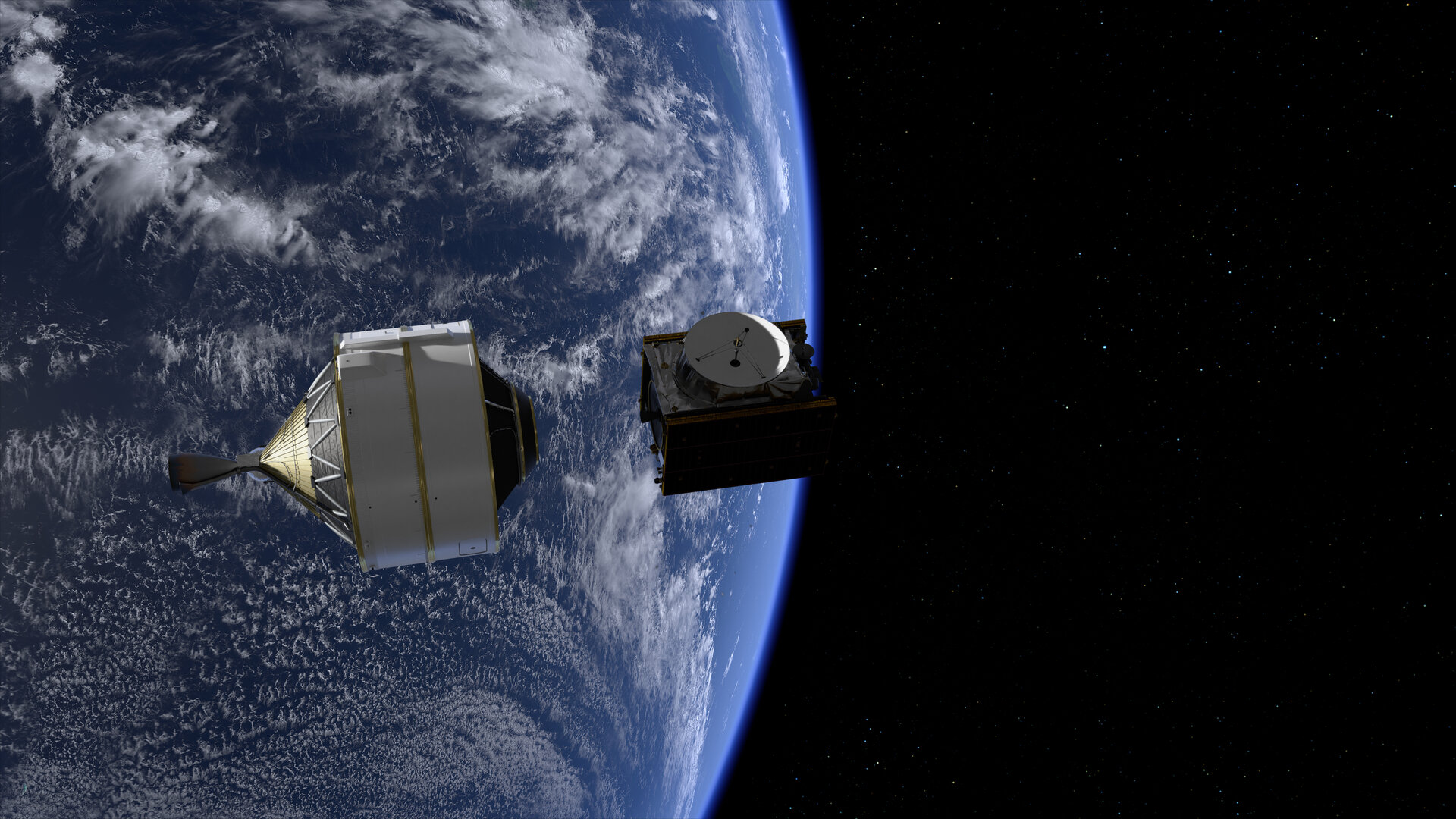
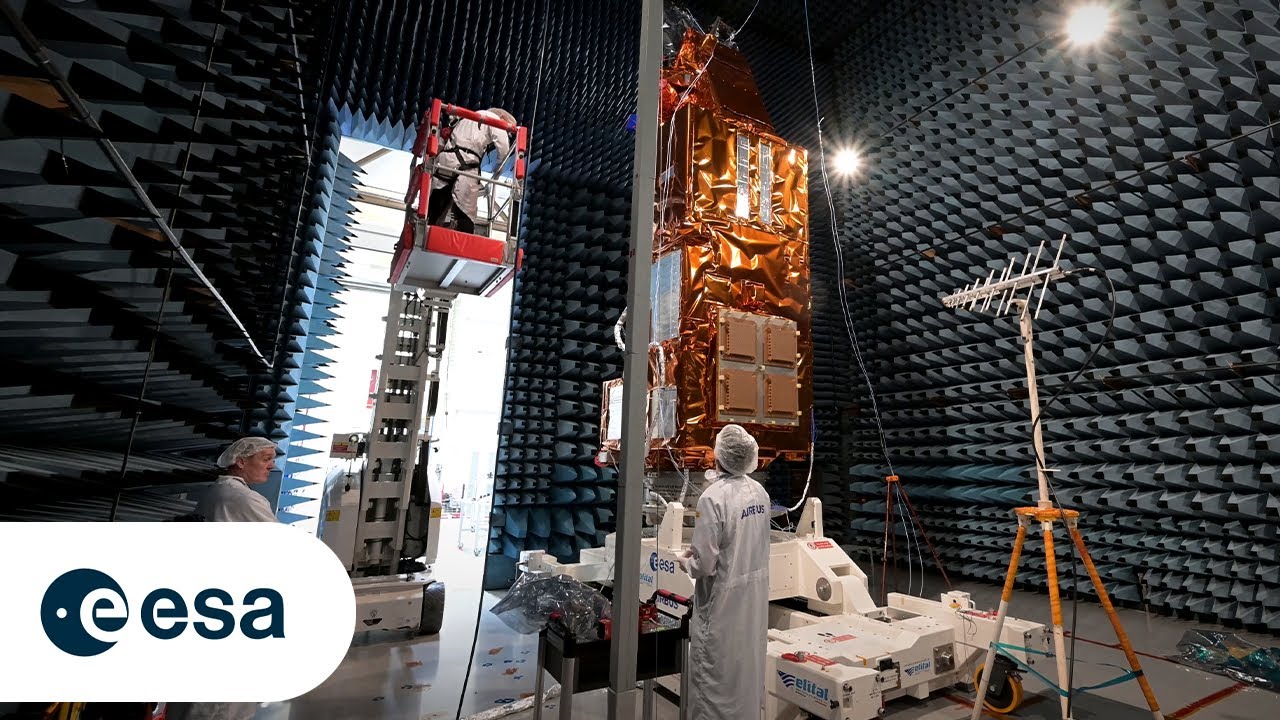
03 / GALILEO G2
GALILEO G2 spacecraft / programme visual
Credit: Airbus Defence and Space / ESA · Source ↗

European Navigation Infrastructure

Europe's next-generation navigation constellation with advanced capabilities, resilience and flexible payload technologies.

System Scope
Signal Generation Module
Contribution
Mission-critical electronics, HW/SW interfaces, technical reviews, requirements and verification.
Navigation · Sovereign infrastructure · Signal generation
Official programme ↗
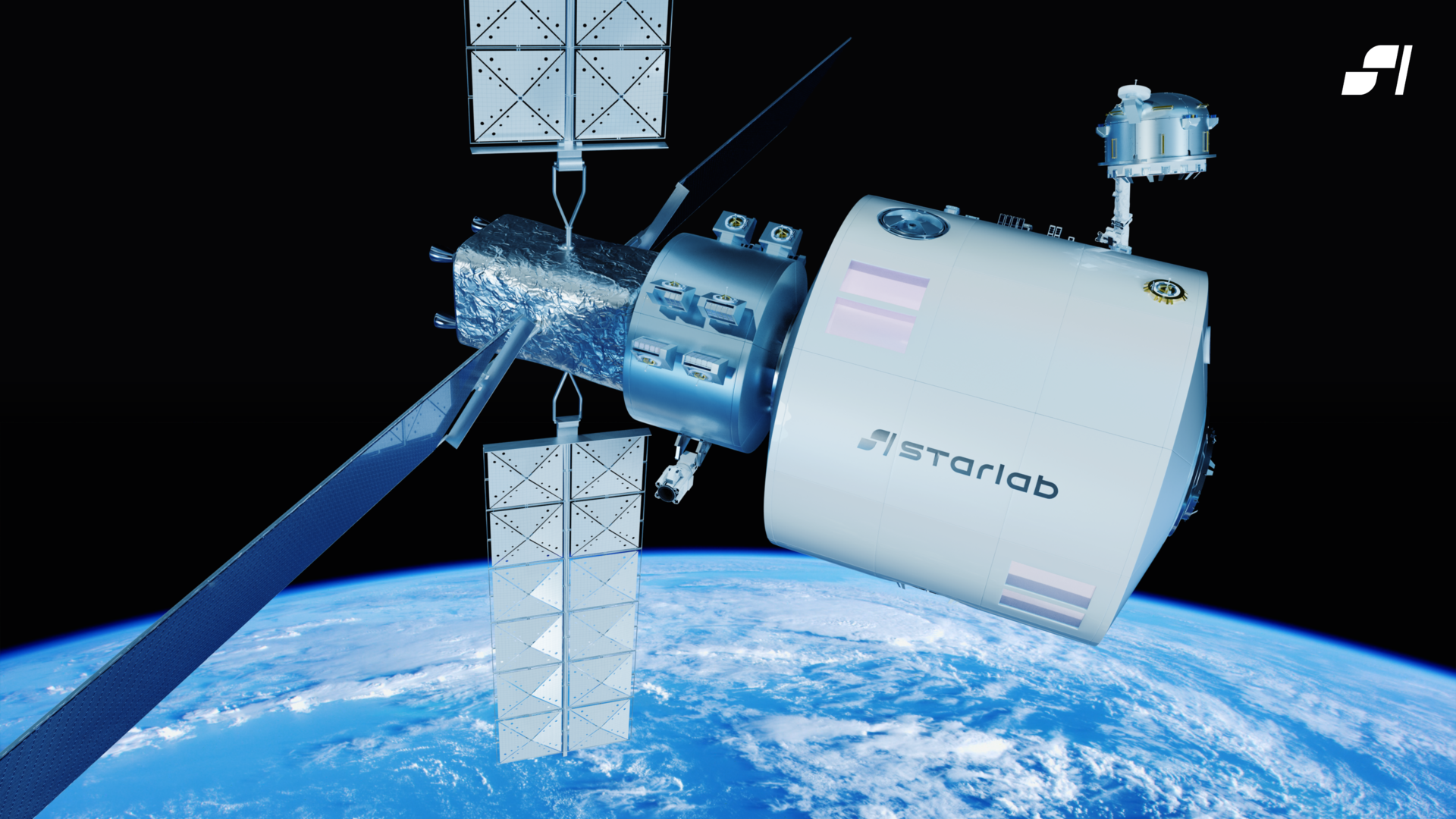
04 / STARLAB
STARLAB spacecraft / programme visual
Credit: Starlab Space LLC / ESA · Source ↗

Commercial Space Station

Next-generation low-Earth-orbit station supporting human spaceflight, research and commercial activity.

System Scope
Crew Support System module
Contribution
Architecture, interfaces, safety-critical systems thinking and multidisciplinary coordination for continuously operated orbital infrastructure.
Human spaceflight · Commercial LEO · Crew systems
Official programme ↗
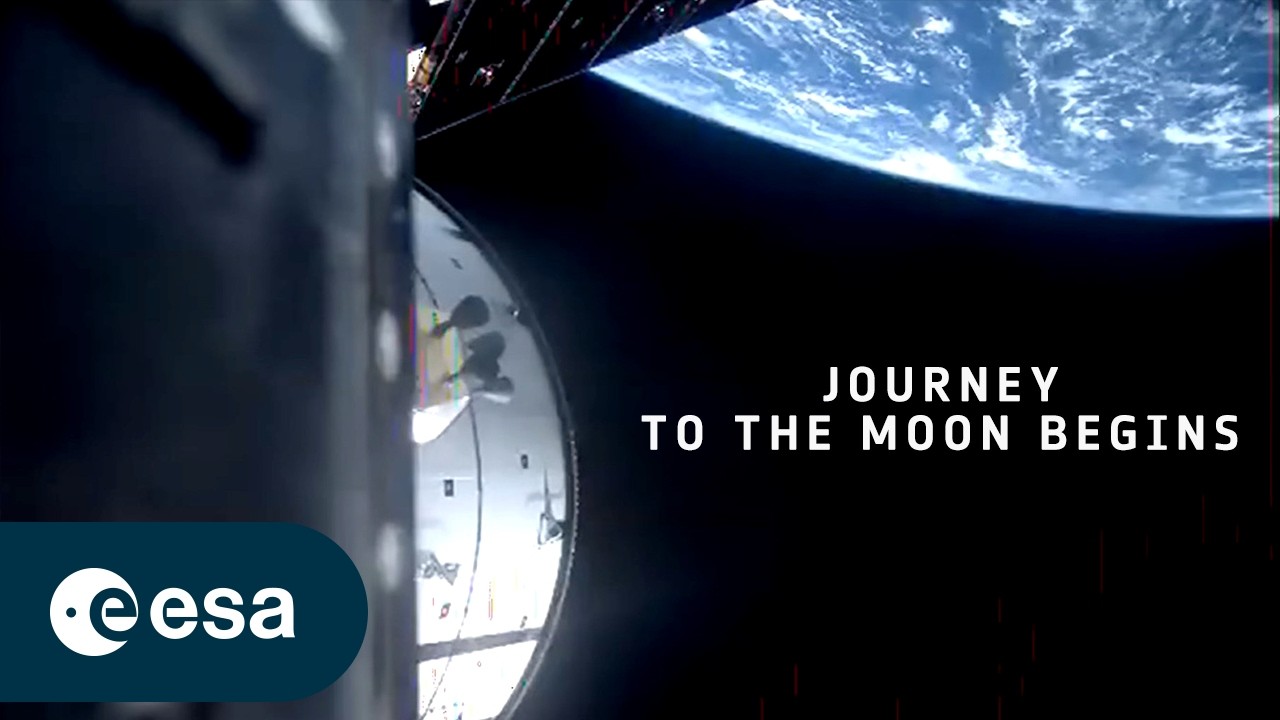
05 / ARTEMIS
Artemis II launch / programme visual
Credit: NASA · Source ↗

Artemis Mission

Human-spaceflight architecture centred on Orion and the European Service Module, supporting crewed lunar operations and the return to deep-space human exploration.

System Scope
Orion · European Service Module · Human spaceflight systems
Contribution
Systems engineering and integration across mission-critical human-spaceflight interfaces, verification and programme coordination.
Human spaceflight · Lunar operations · Systems integration
Official mission ↗
06 / BIOMASS
BIOMASS spacecraft / programme visual
Credit: ESA / ATG medialab · Source ↗

Earth Observation

ESA mission measuring global forest biomass and carbon using P-band synthetic-aperture radar.

System Scope
Payload electronics · Data Handling Unit
Contribution
Payload/data-handling interfaces, data acquisition pathways, requirements, integration and verification.
Climate intelligence · EO · High-reliability data handling
Official mission ↗
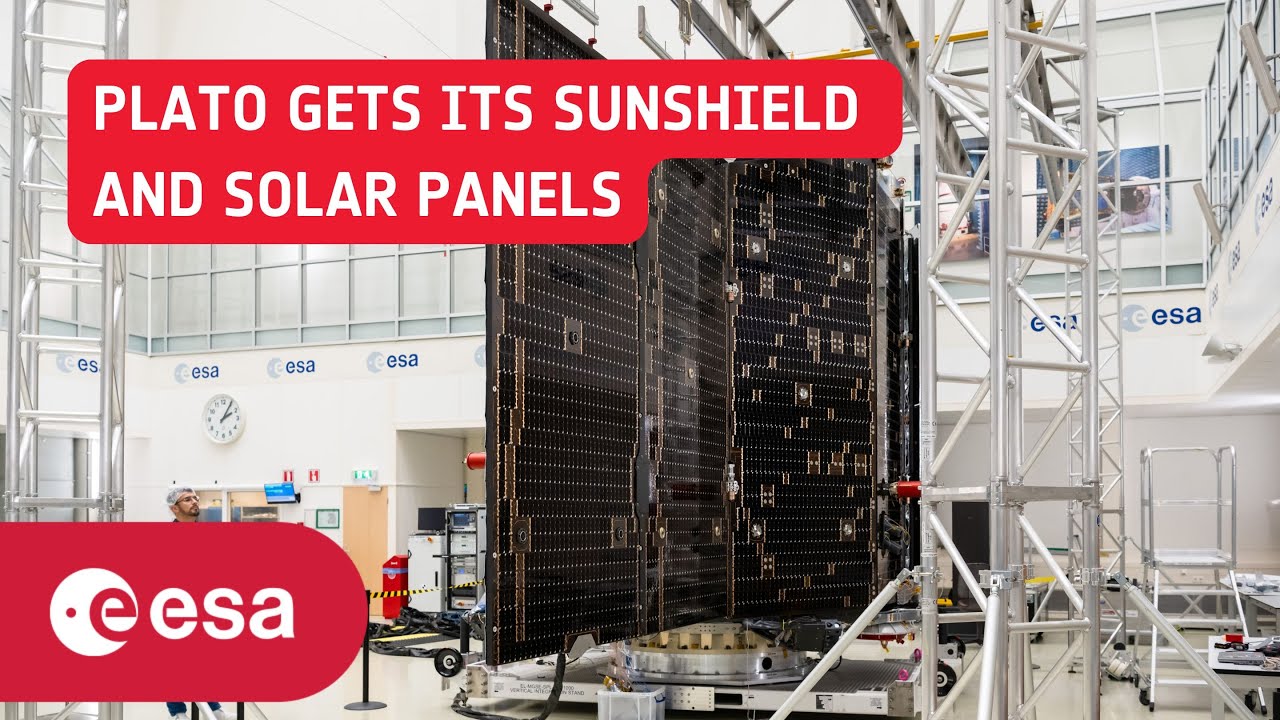
07 / PLATO
PLATO spacecraft / programme visual
Credit: ESA / ATG medialab · Source ↗

Exoplanet Telescope

ESA mission designed to detect and characterise terrestrial planets around Sun-like stars.

System Scope
Payload electronics · Data Handling Unit
Contribution
Precision payload data handling, scientific observation interfaces and verification.
Exoplanets · Precision payloads · Data architecture
Official mission ↗
Advanced Systems & Human Environments

Representative hardware, payloads and inhabited-space environments

A curated layer of representative systems aligned with Rania Toukebri’s technical domains: secure onboard electronics, satellite payloads, spacecraft data systems, habitable infrastructure and planetary-defence architectures.

High-assurance flight electronics

Crypto / Security Unit

A representative secure processing domain for encrypted communications, authentication, key storage and trusted command/data pathways — the kind of high-sophistication function increasingly relevant for resilient satellites and critical orbital infrastructure.

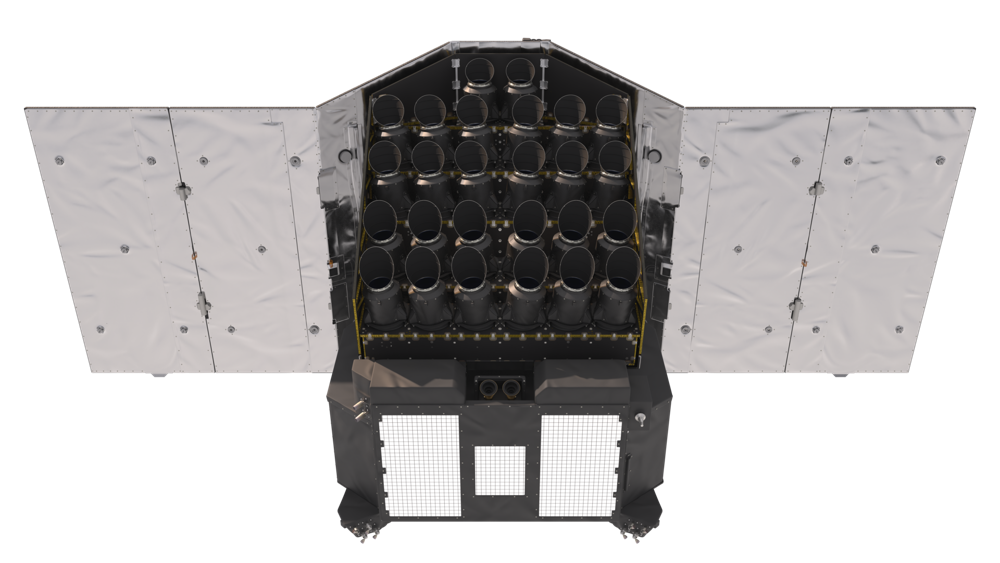
Representative satellite payload architecture illustrated by ESA's PLATO payload
Representative payload example: PLATO payload architecture · Credit: ESA / ATG Europe
Scientific spacecraft

Satellite Payload

Representative payload architecture illustrating instrument-carrying spacecraft topologies, sensor accommodation, interface control and the relationship between payload performance and platform subsystems.

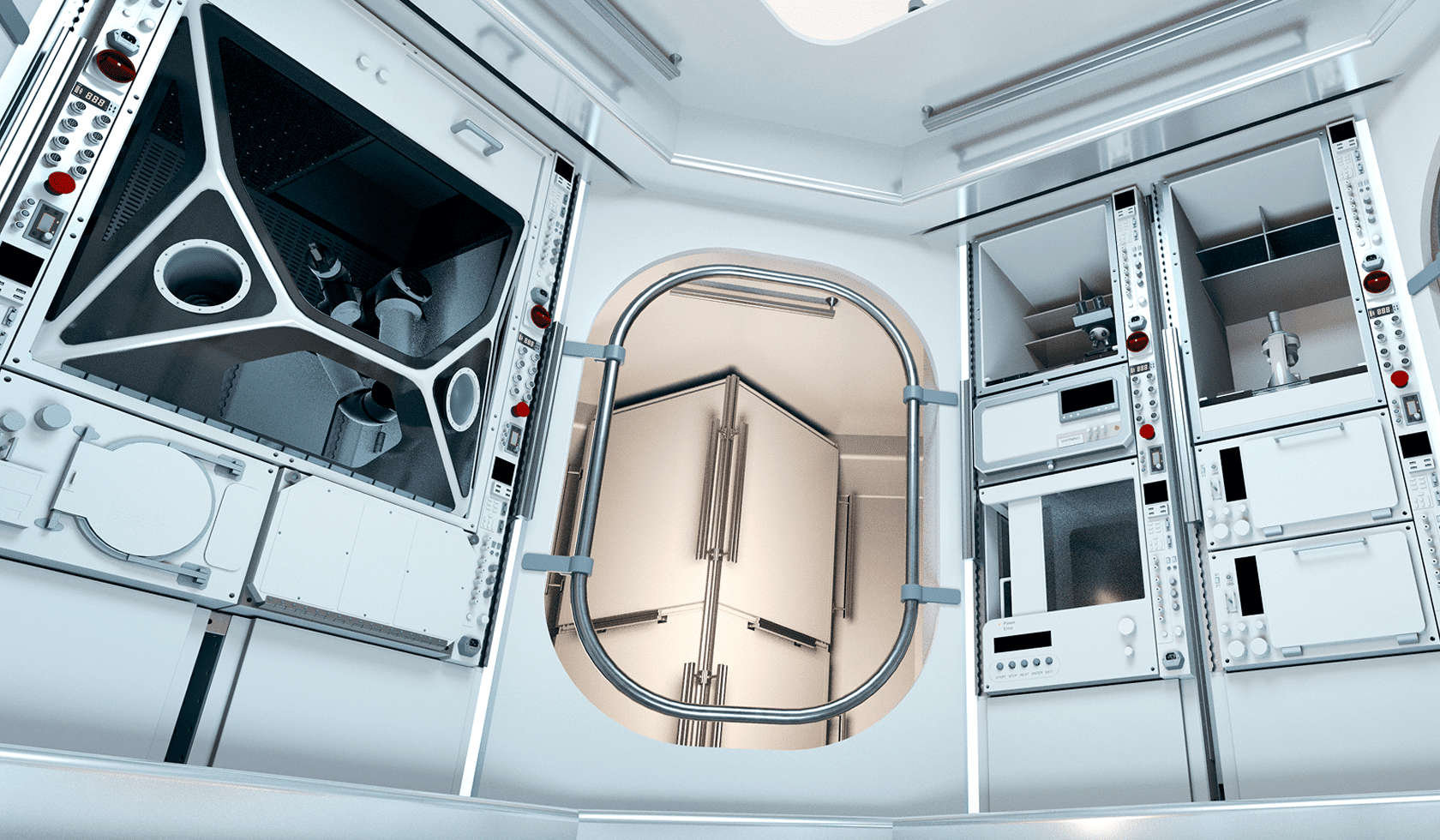
Interior view of Starlab space station
Interior reference: Starlab Space payload / habitation concept · Source ↗
Commercial human spaceflight

Interior of Space Station · Starlab

Habitable orbital architecture focused on continuously operated crew environments, experiment integration, logistics, interfaces, crew support and the transition from mission vehicles to working space infrastructure.

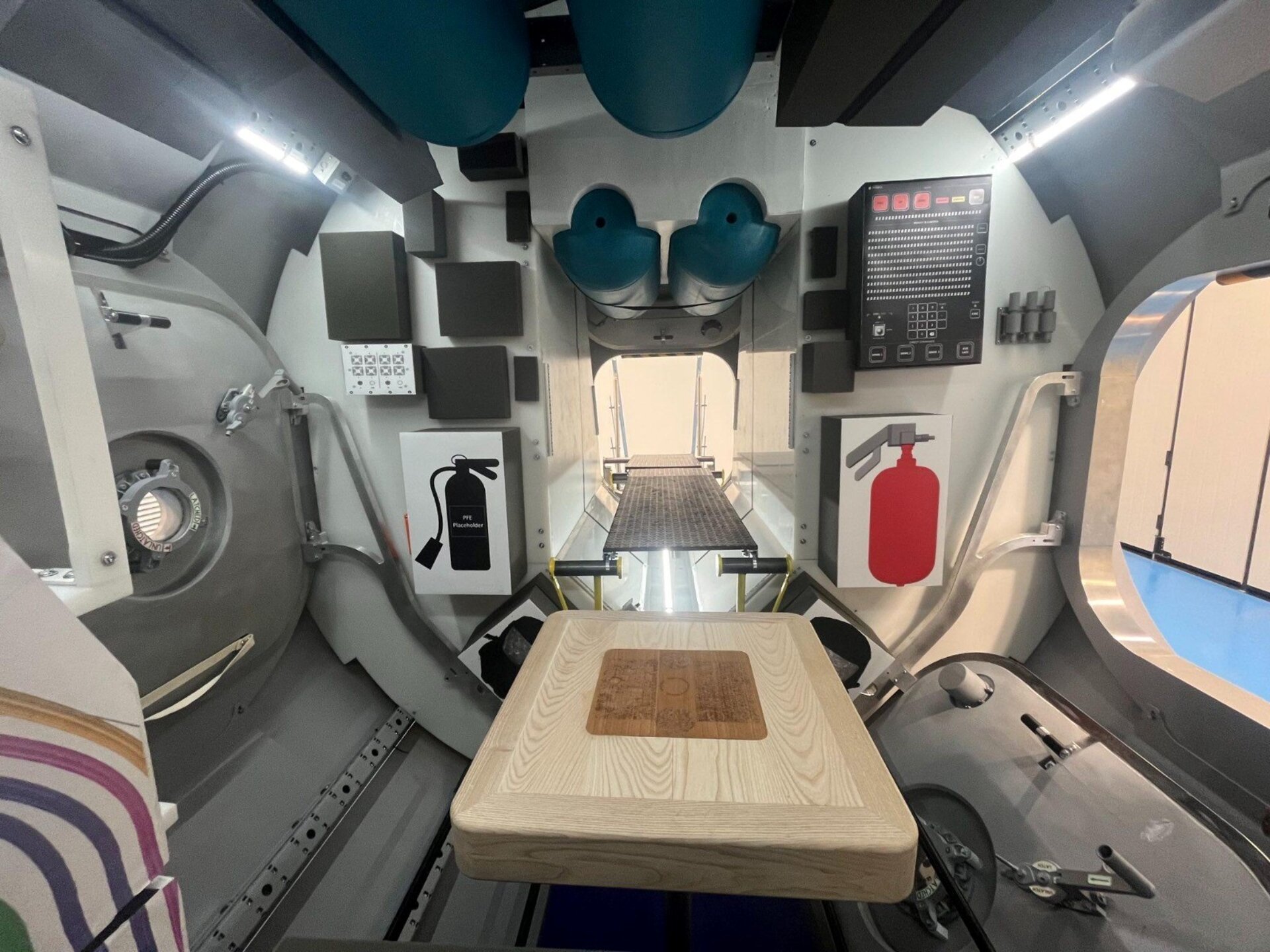
Interior of Lunar I-Hab crew module mock-up
Crew-module interior reference: Lunar I-Hab mock-up · Credit: Thales Alenia Space / ESA · Source ↗
Lunar infrastructure

Crew Module · Artemis / Lunar Infrastructure

Representative crew-module environment for the transition from lunar orbital platforms toward future Moon-base logistics, habitation and human-centred systems design.

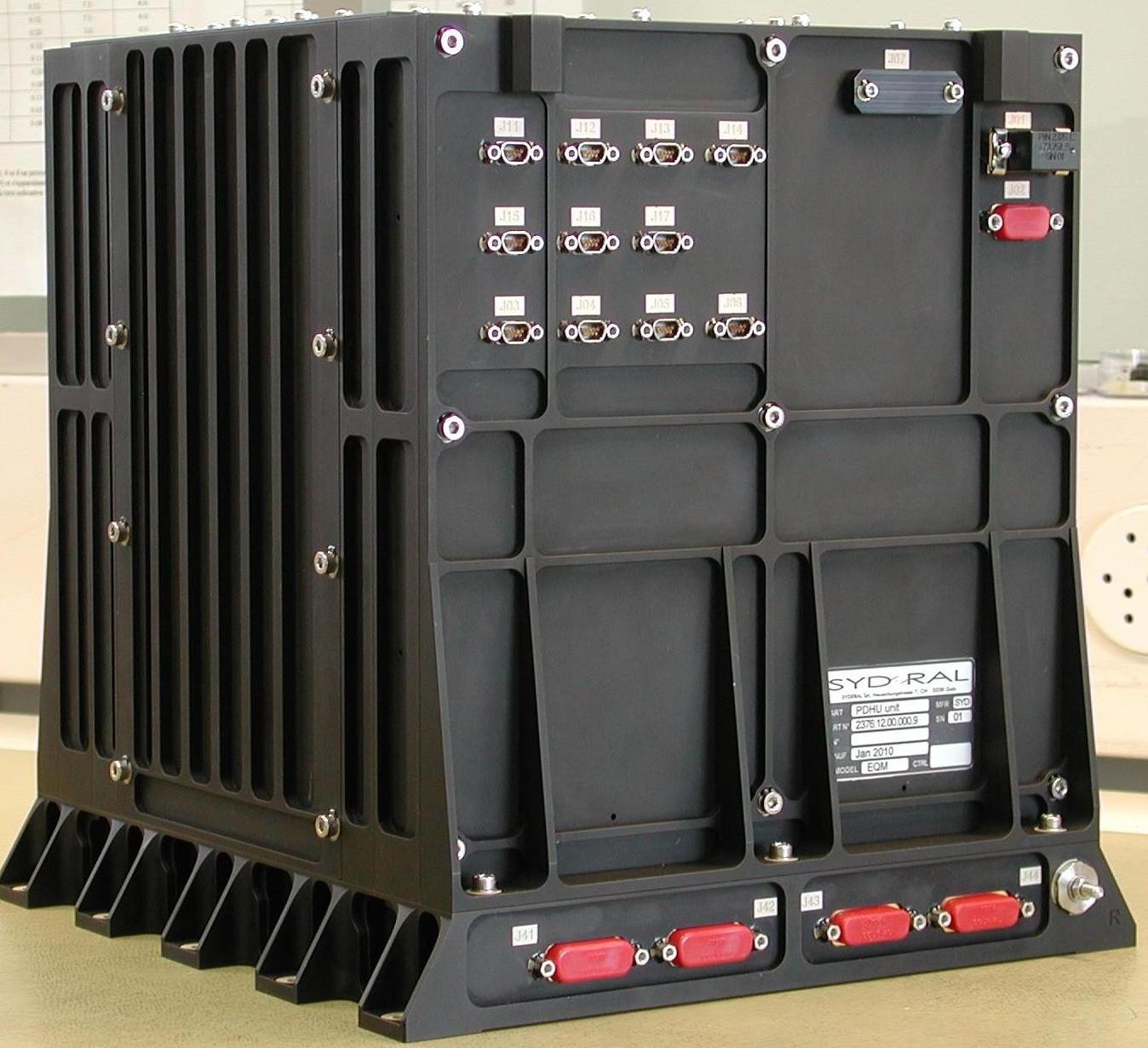
Gaia Payload Data Handling Unit
Representative DHU hardware · Credit: Syderal SA / ESA · Source ↗
Electronics & mission data flow

Data Handling Unit

Representative spacecraft data-handling hardware covering temporary storage, formatting, routing and transfer of mission and payload data through the onboard architecture.

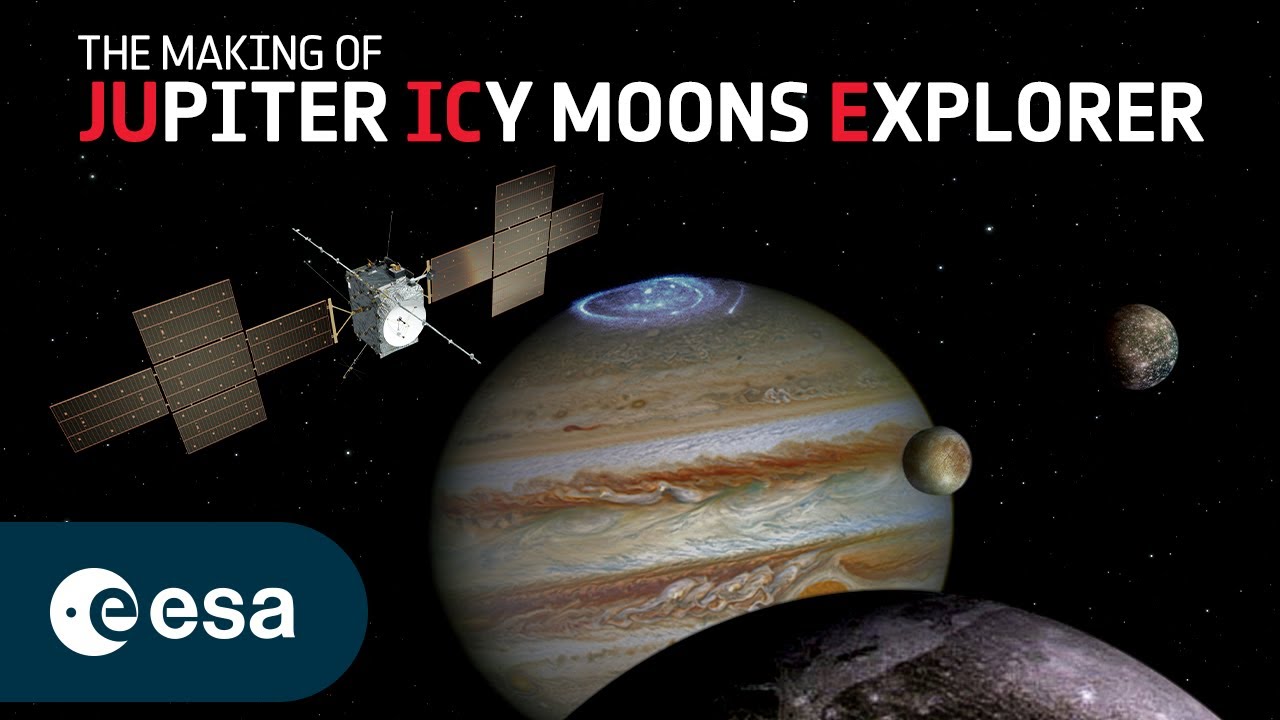
JUICE spacecraft as representative example for onboard data handling and solid-state mass memory
JUICE example for onboard data-handling / mass-memory architecture · Credit: ESA / ATG Medialab · Source ↗
Deep-space avionics

SSMM & Data Handling · JUICE Example

JUICE as a representative example of deep-space onboard computing, solid-state mass memory, payload-electronics coordination and long-duration reliability in a high-data-volume scientific mission.

Planetary Defence

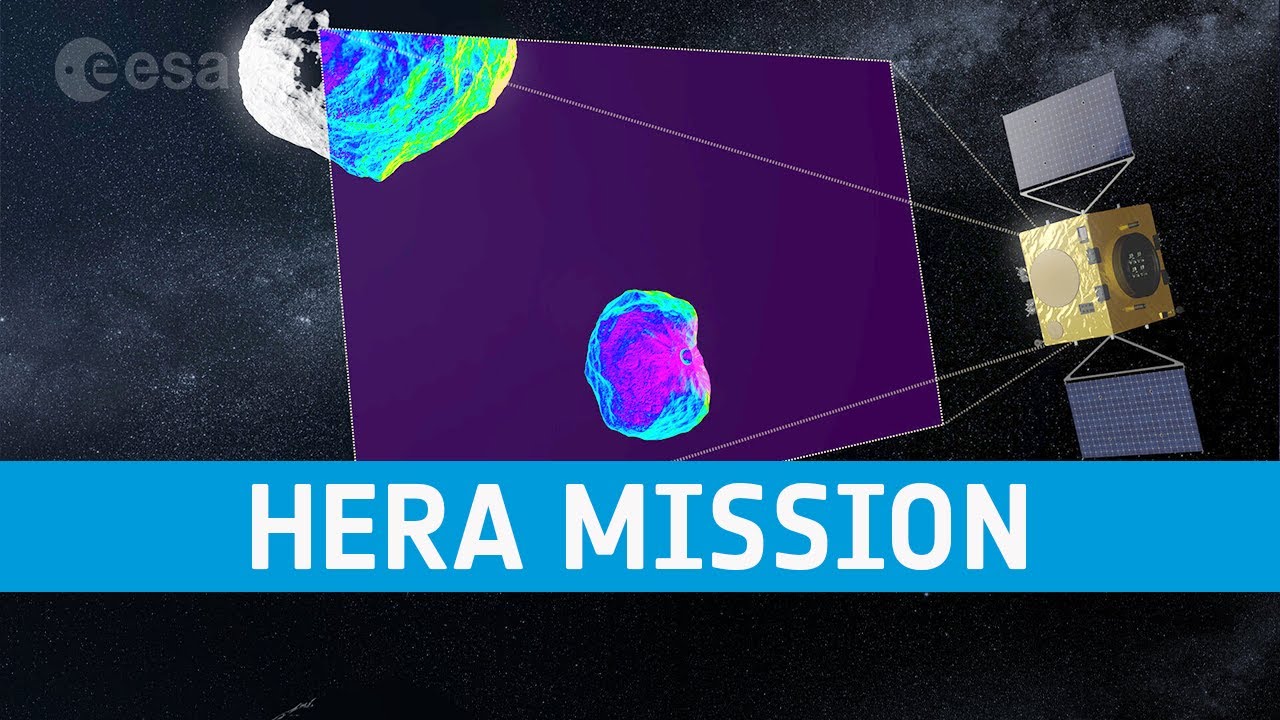
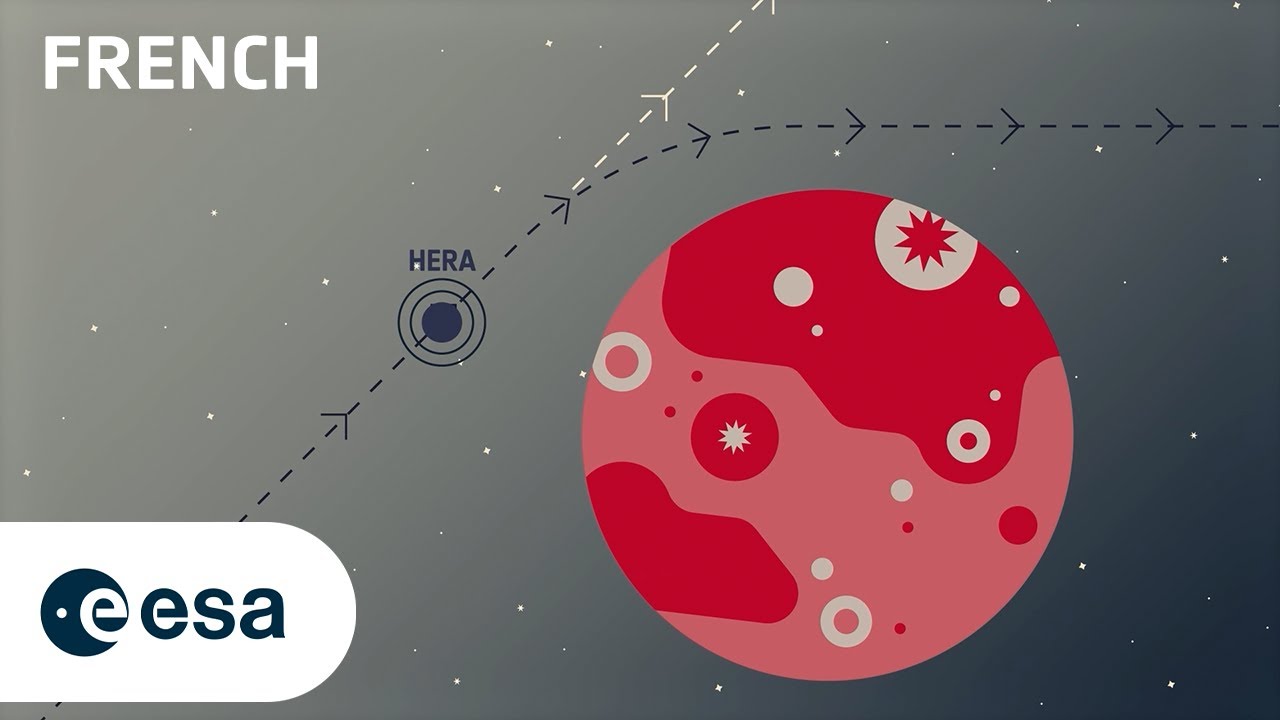
DART impact and Hera follow-up

Two public-facing video references framing the transition from kinetic-impact demonstration to post-impact investigation and operational planetary defence.

Leadership & Institutions

From engineering decisions
to international systems.

International engagement across institutions, committees, expert evaluation, strategic representation and public-facing thought leadership.

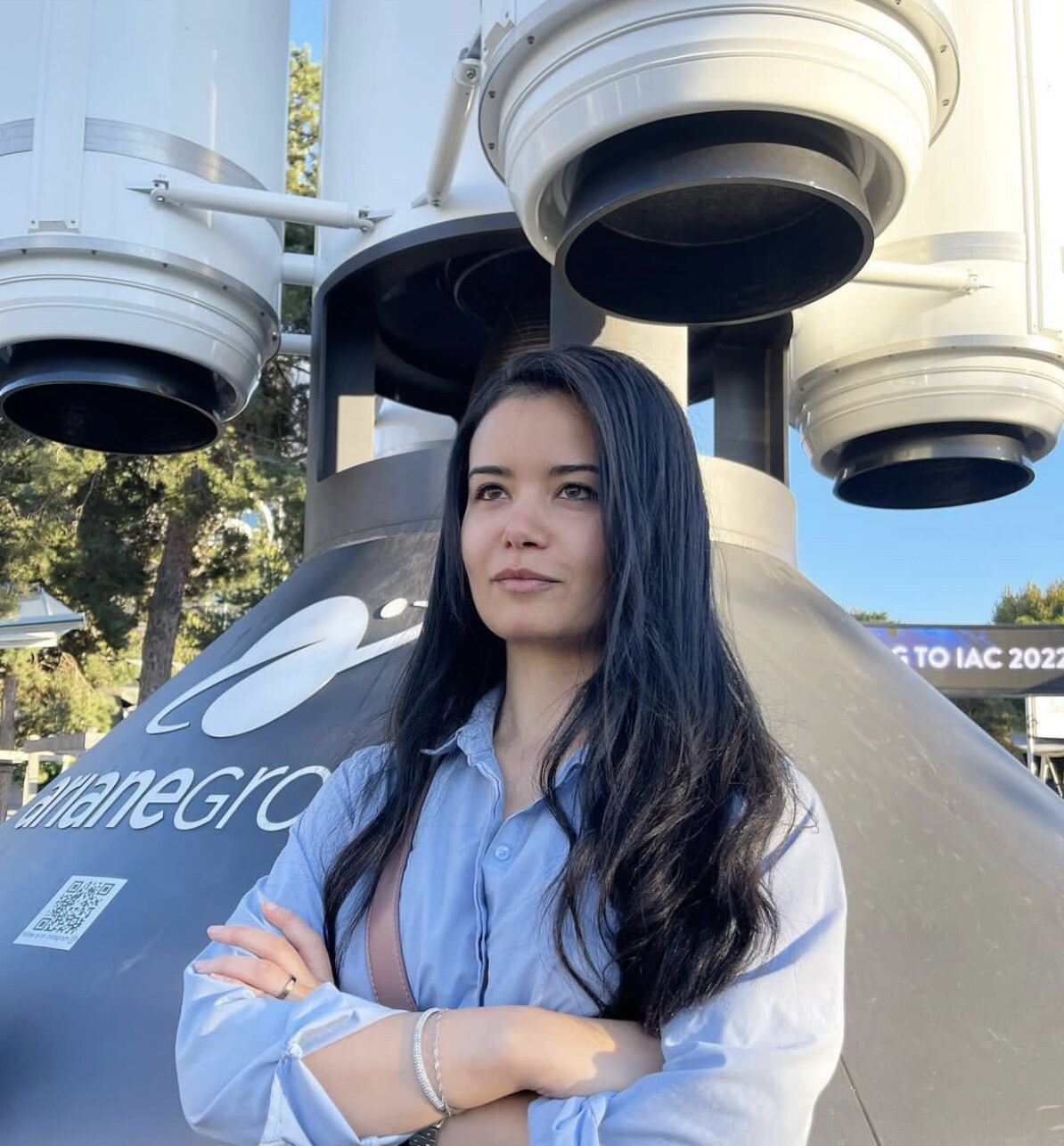
Editorial portrait of Rania Toukebri
European Commission

Horizon Expert Evaluator

Independent assessment of advanced research and innovation proposals since 2021, spanning excellence, implementation, impact, risk, resources and consortium capability.

United Nations

COPUOS / STSC

Delegate participation across 2018, 2020, 2023, 2025 and 2026 on sustainability, debris, space weather, planetary defence, GNSS, Earth observation and exploration.

International Astronautical Federation

Space Communications & Navigation

Technical committee leadership and IAC session chairing across communications, navigation, RF/antenna technologies and resilient networks.

Fédération Internationale de l’Automobile · FIA Ecosystem

Space × Mobility

Cross-domain engagement exploring how space-grade engineering can inform the next generation of mobility — resilient electronics, autonomous systems, sensing, advanced materials, thermal management, safety architecture and human-machine interaction.

Africa

Continental Space Capability

Regional leadership, education, capacity-building and institutional initiatives connecting space infrastructure to climate resilience, connectivity and development.

UNOOSA

Space4Women

Mentorship and expert contribution supporting women and girls entering space and STEM and equitable participation in research and innovation.

Security & Resilience

Southern Neighbourhood Expert Engagement

Independent technical participation and outreach around resilient infrastructure, space-enabled services, cyber resilience, disaster response and emerging technologies, including engagement with the NATO Strategic Direction–South Hub ecosystem.

Advanced Design & Cross-Domain Innovation

From spacecraft to the systems humans wear and drive.

Engineering activity at the boundary between spaceflight, human performance and premium mobility — translating extreme-environment design principles into systems that are safer, more intelligent and more adaptive.

Human Spaceflight · Wearable Systems

Spacesuit & Human-System Design

Conceptual and systems-level work around spacesuit architecture as a mobile life-support and human-performance platform — integrating mobility, pressure-envelope constraints, thermal regulation, communications, sensing, ergonomics, interfaces and operational safety.

Life supportErgonomicsMobilityThermalSensingHMI
Space × Automotive · Technology Transfer

Space-to-Mobility Transition

Exploring the transfer of spacecraft architecture and mission-critical design methods into future automobiles and high-performance mobility: fault-tolerant electronics, edge autonomy, intelligent sensing, lightweight materials, energy and thermal management, digital twins and safety-centred system architecture.

AutonomyAvionics → Vehicle ElectronicsMaterialsDigital TwinsSafetyResilience
The objective is not to make mobility look like aerospace, but to transfer the rigour of spacecraft engineering — reliability, intelligence, efficiency, resilience and human-centred safety — into the next generation of mobility systems.
Research & Thought Leadership

Designing for the next operating environment.

Doctoral research

Next-generation onboard computing

Research into the evolution of spacecraft onboard computing toward more autonomous and resilient architectures for lunar and deep-space missions.

  • Fault-tolerant processors + FPGA/reconfigurable hardware + neuromorphic accelerators
  • Anomaly detection, autonomous navigation and decision-making
  • Radiation effects, fault injection, shielding and qualification strategy
  • Benchmarking power, reliability, autonomy and mission suitability
2026 · SpaceWatch.Global

A Moon Base Must Learn to Fail

Resilience, graceful failure, predictive maintenance, logistics and digital twins for permanent lunar infrastructure.

Read article ↗
2026 · SpaceWatch.Global

A Moon Base Is Not a Spacecraft

Why permanent lunar settlements must be architected as integrated infrastructure rather than isolated flight systems.

Read article ↗
Current Writing

Space Security & Resilience

Space-enabled infrastructure, cyber resilience, strategic autonomy and the changing risk surface.

Current Writing

Neuromorphic Avionics

Hybrid spacecraft computing architectures for anomaly detection, autonomy and low-power edge intelligence.

Selected Manuscripts

Books and technical writing in development

A curated view of longer-form authored work developed around space systems, standards and the design of future inhabited environments beyond Earth.

Technical manuscript

The Space Systems Standard Handbook

A structured technical manuscript focused on standards, architecture discipline, interfaces, systems-engineering logic and the conditions required for reliable and interoperable space systems.

Book draft

Houses Beyond Earth — Manuscript

A long-form book project exploring habitats, operational living systems, design logic and the architectural conditions for meaningful human life in orbit and on the Moon.

Insights & Perspectives
Perspective 01
Space × Design · September 2026

Beyond Function

How space influences the way we design, move, live and imagine tomorrow.

A designer-minded, technically grounded perspective connecting materials, human factors, interfaces, thermal logic and form. Written from the viewpoint of a space systems architect, it explores how extreme technical constraints can produce cleaner, more purposeful and more human design.

Perspective 02
Ground Segment · Resilience · September 2026

Global Ground Stations Network

A resilient network-of-networks architecture for emergency interoperability.

A technical perspective on federating global, regional and national ground infrastructure during disasters, cyber incidents and security crises — combining cross-network interoperability, bounded failover, secure data exchange and sovereign coordination.

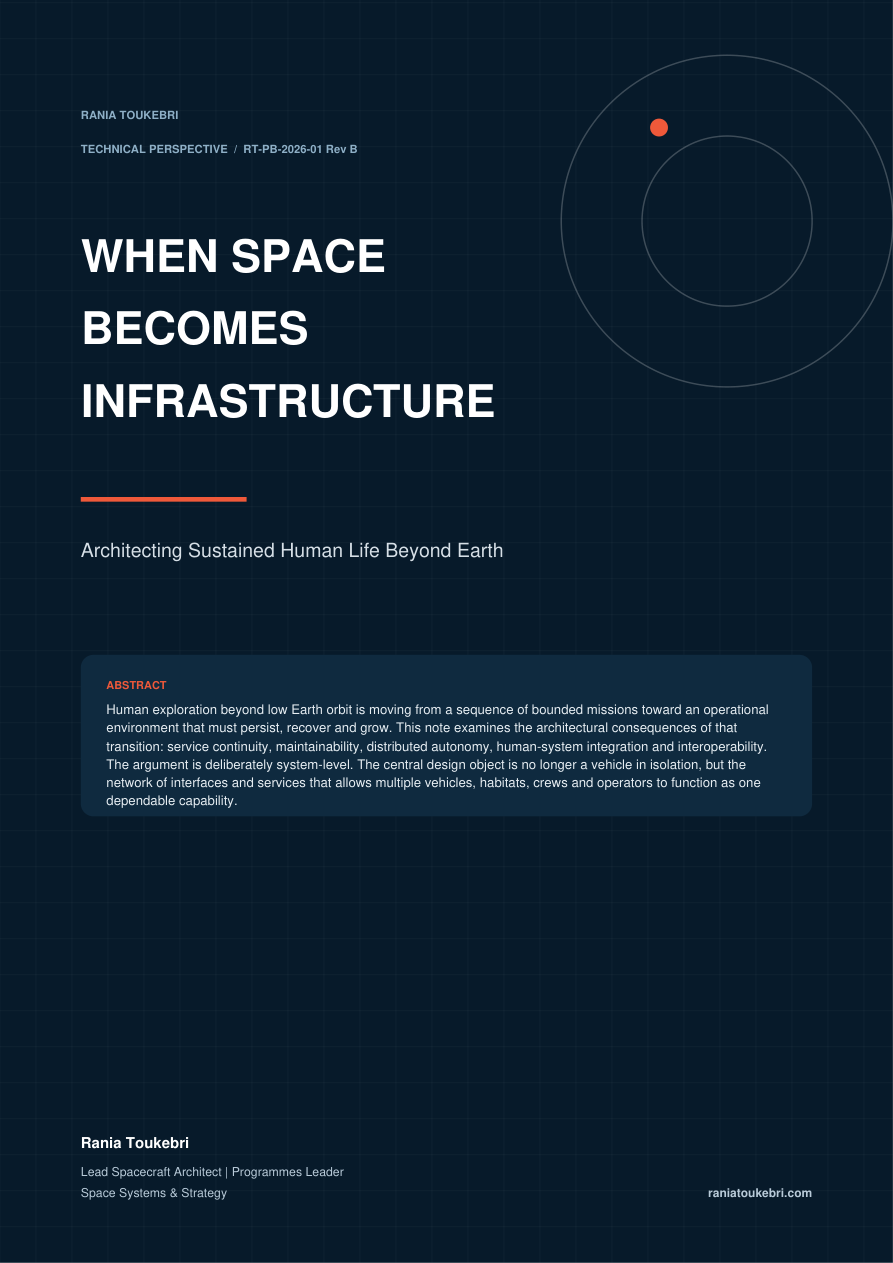
First page preview of When Space Becomes Infrastructure — Architecting Sustained Human Life Beyond Earth Perspective 03
Perspective Brief · September 2026 · 9 pages

When Space Becomes Infrastructure

Architecting sustained human life beyond Earth.

The engineering problem changes when space is no longer a destination for bounded missions, but an operating environment that must remain useful, recover from failure and accept new participants over time. This independent technical perspective examines resilience, autonomy, human-system integration, shared services and interoperability as architectural conditions for sustained presence.

“The engineering challenge changes when space stops being a destination and becomes a place where humans must continuously live, work and recover from failure.”
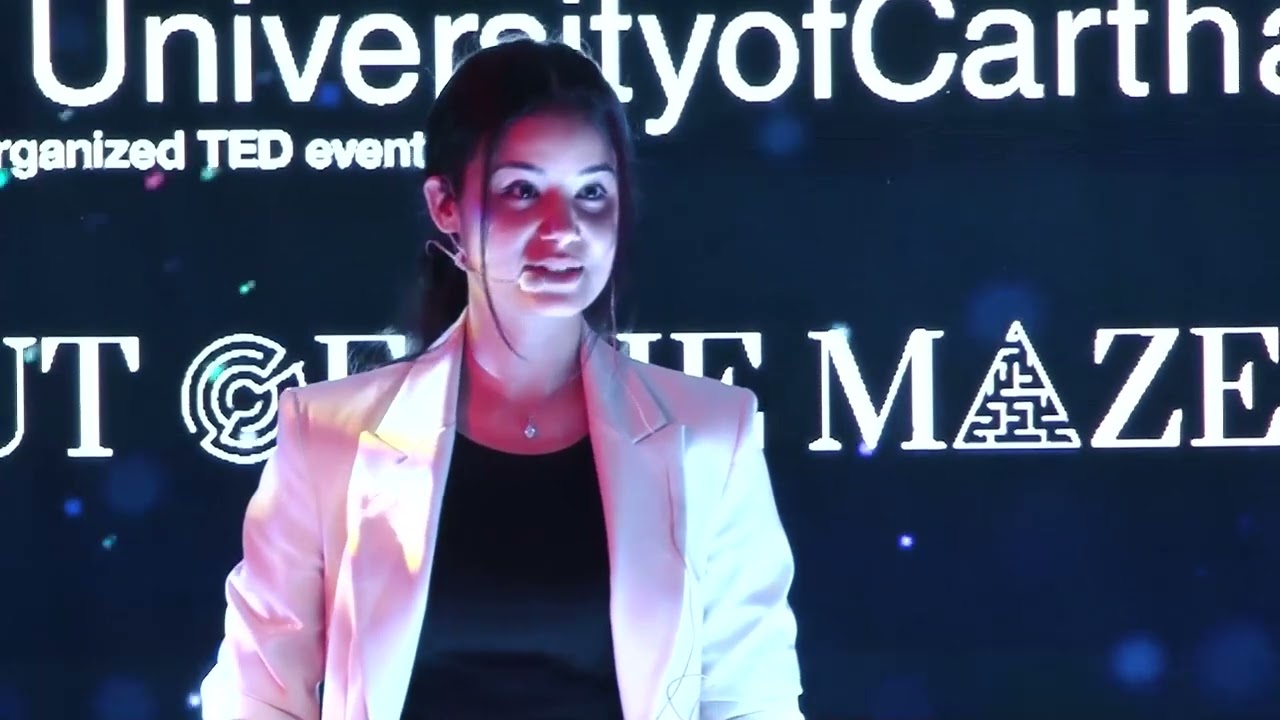
Rania Toukebri speaking on the TEDxUniversityofCarthage stage
Rania Toukebri on stage at TEDxUniversityofCarthage · Credit: TEDx Talks / YouTube · Source ↗
Speaking & Public Engagement

Complex engineering.
Elegant narratives.

Human spaceflight, Artemis and lunar infrastructure

Spacecraft avionics and onboard computing

Autonomy, resilience and mission architecture

Space for sustainable development in Africa

Women in space and STEM leadership

Future communications and navigation

TEDx · 2022

Who Said The Sky Is The Limit?

A personal and professional talk on exploration, resilience, purpose and choosing to build a career in space.

Watch / search talk ↗
Featured In

Press & editorial features

Selected interviews and profiles documenting Rania Toukebri's work across spacecraft engineering, leadership and the future of space exploration. Public links below have been checked and linked where available.

Rania Toukebri featured by Al Sharkiah Magazine
Al Sharkiah Magazine · 2026

Rania Toukebri: A Space Odyssey

Long-form profile on spacecraft engineering, resilience, women in STEAM and humanity's future beyond Earth.

Read feature ↗
LEADERS
N°171 · AOÛT 2025
Rania Toukebri
“Les missions lunaires font partie de ma vie”
Leaders · Cover feature · 2025

Les missions lunaires font partie de ma vie

Profile covering lunar missions, spacecraft systems, research and international engagement.

Read feature ↗
Rania Toukebri featured by Via Satellite
Via Satellite · 2022

Faces in Satellite

An industry profile on career decisions, spacecraft architecture and the ambition to democratize access to space.

Read feature ↗
Rania Toukebri featured by Space in Africa
Space in Africa · 2018

One of Africa's Female Aerospace Engineers

Early-career interview on ESA missions, space advocacy, Tunisia and African space development.

Read feature ↗
WA
Women's Aerospace Network · 2024

Passion and Perseverance: Rania Toukebri in Aerospace

Feature highlighting an aerospace journey shaped by technical ambition, persistence and a lifelong fascination with space.

View feature ↗
L
Leaders · 2025

Les satellites, les données et l'après-IA

Interview on satellite data, resilience, artificial intelligence and neuromorphic computing.

Read feature ↗
العربي
Al Araby · Broadcast interview

“Laha Al Kalima”

Television interview featuring Rania Toukebri in a long-form conversation format.

Exact YouTube link pending
FRANCE 24
France 24 · Broadcast interview

France 24 Interview

Television interview featuring Rania Toukebri's work in space engineering and exploration.

Exact France 24 link pending
WORLD'S
LEADERS
World’s Leaders · Profile

An Expert in Spacecraft Design and Integration

Editorial profile covering Rania Toukebri’s work in spacecraft design, integration and international space programmes.

Read feature ↗
Rania Toukebri on BBC News Arabic
BBC News Arabic · Live interview · 2022

International Day of Women and Girls in Science

Live BBC News Arabic conversation on science, engineering and the role of women in advanced technology and space.

Watch interview ↗
M
Managers · 2021

Mission de simulation lunaire — Vice-commandant

Coverage of Rania Toukebri's participation in a lunar analogue mission as vice-commander, connecting aerospace engineering with human exploration.

Read feature ↗
SÉNAT
FRANÇAIS
Paris · 20 June 2025

Trophée de la Réussite au Féminin

Recognition presented during a ceremony at the French Senate, organised by France Euro-Méditerranée and presented by Tunisia's ambassador to France.

View coverage ↗
Selected Media & Public References

Independent references

A selection of public profiles, interviews, authored work and recognition.

Recognition
Top 10 Under 30African Space Industry
TOYPJCI Tunisia
Space4WomenUNOOSA Mentor
IAFCommittee & Session Leadership
HorizonEuropean Commission Expert
Trophée de la RéussiteFrench Senate · 2025
Mission Follow-up

Current programme status & official references

Current public-status snapshots for the principal programmes highlighted on the website. Updated 19 September 2026 from official programme and agency sources.

Planetary defence · ESA

Hera

Hera is in the final approach phase to the Didymos–Dimorphos system. ESA completed a major deep-space software upgrade in July 2026, preparing the spacecraft for close-proximity asteroid operations and its arrival campaign in Q4 2026.

LatestApproaching Didymos · arrival campaign Q4 2026
Outer Solar System · ESA

JUICE

JUICE remains on its eight-year interplanetary cruise to Jupiter. The mission profile includes an Earth gravity-assist encounter in September 2026, followed by another Earth flyby in 2029 before Jupiter arrival in July 2031.

LatestInterplanetary cruise · Earth flyby phase in 2026
Navigation infrastructure · ESA / EU

Galileo Second Generation

The first direct compatibility link between the Galileo Ground Control Centre and a Galileo Second Generation satellite model was demonstrated in July 2026. Twelve G2 spacecraft are planned, with both Airbus and Thales Alenia Space families progressing through assembly and system-compatibility testing.

LatestAssembly + end-to-end compatibility testing
Commercial LEO · Starlab

Starlab

Starlab completed its NASA Commercial Critical Design Review in February 2026, moving into manufacturing and systems integration. In September, ESA and Starlab signed a Letter of Intent to explore post-ISS cooperation, while additional research and commercial payload reservations continued to be announced.

LatestPost-CDR manufacturing / integration · ESA cooperation framework
Human spaceflight · NASA / ESA

Artemis Mission

Artemis II completed its nearly 10-day crewed lunar flyby in April 2026. Orion and its four-person crew splashed down safely in the Pacific on 10 April after the first crewed journey around the Moon in more than half a century; ESA’s European Service Module provided propulsion, power, thermal control, air and water throughout the mission.

LatestArtemis II completed · post-flight analysis and preparation for subsequent Artemis missions
Earth observation · ESA

Biomass

Biomass is fully commissioned and operational. ESA opened mission data to all users in January 2026, and the mission is now producing P-band radar observations for forest biomass, carbon and broader Earth-system science.

LatestOperational · commissioned · data publicly available
Space science · ESA

PLATO

PLATO has completed construction and successfully passed major space-environment testing at ESTEC. ESA’s current mission page lists launch for March 2027 on Ariane 6, followed by transfer to a halo orbit around the Sun–Earth L2 point.

LatestFinal launch preparation · planned launch March 2027
Contact

Space systems.
Strategy. Global influence.

For programme leadership, institutional collaboration, speaking engagements, research initiatives and selected cross-industry ventures spanning space, mobility and advanced systems design.